








How does the landscape of Wolf Creek Pass compare to other iconic Western sites in Colorado?
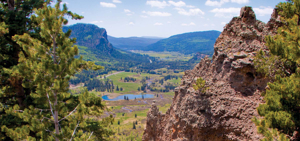
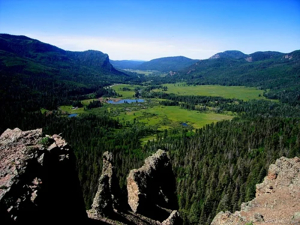
Wolf Creek Pass stands out among Colorado’s iconic Western landscapes due to its dramatic high-elevation setting, deep snowpack, and prominent position on the Continental Divide within the San Juan Mountains1245. While areas like Telluride, Ouray, and Durango are also noted for cinematic beauty, Wolf Creek Pass offers:
-
Alpine vistas at 10,857 feet with panoramic views from lookouts like Lobo Overlook4.
-
Steep grades and switchbacks on US Highway 160, rivaling the drama of Red Mountain Pass but considered more accessible year-round15.
-
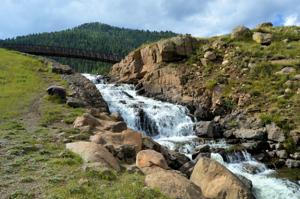
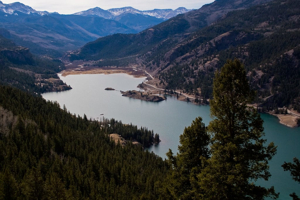
Dense forests, meadows, and pristine alpine lakes along the route, ideal for staging varied Western scenes3.
-
Significantly more snowfall and winter ambiance—in most seasons, it doubles or triples the snowpack of many northern or central Colorado locations17.
-
The terrain allows filmmakers to capture both lush summer greenery and intense winter conditions, making it versatile compared to flatter plains or red-rock canyons elsewhere in the state.
Are there guided tours focused on filming locations around South Fork and Wolf Creek Pass?
As of now, there are no formal, regularly scheduled guided tours specifically devoted to movie and filming locations in the South Fork–Wolf Creek Pass area. However:
-
The South Fork Visitor Center offers information, self-guided maps, and local guidance for sites like Riverbend Resort ("Kamp Komfort" from National Lampoon’s Vacation) and recognizable pullouts or picnic sites from various productions.
-
Regional tourism boards sometimes organize themed events or one-time tours around notable film anniversaries, but these are infrequent.
-
For a personalized experience, visitors often rely on self-drive itineraries, downloadable guides, and tips from locals and business owners[previous].
What specific features of South Fork scenery attract filmmakers for Western or adventure movies?
South Fork and Wolf Creek Pass attract filmmakers because of:
-
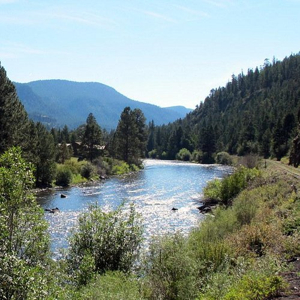
Authentic, undeveloped Western settings—the area’s pine forests, river valleys, meadows, and minimal modern intrusions evoke the classic "frontier" look[previous].
-
Varied terrain in close proximity: Producers can shoot river crossings, mountain chases, and rustic cabins all within minutes of each other, reducing logistics and setup times[previous].
-
Rich biodiversity and wildlife, allowing for naturalistic background action in scenes23.
-
Historic structures and campgrounds (like Riverbend Resort and nearby mining relics) provide ready-made sets for both classic and comedic Westerns.
-
Year-round four-season beauty—wildflowers and green valleys in summer, golden aspens in fall, deep snow and ice in winter—offering visual variety for different scripts[previous]17.
Could exploring South Fork's filming locations help me learn more about outdoor film set environments?
Yes, exploring the South Fork region can enhance your practical understanding of outdoor film sets:
-
You’ll directly observe how natural topography, lighting, and climate influence shot composition, movement, and visual storytelling.
-
Visiting spots like Riverbend Resort or the picnic sites used in films demonstrates the logistical choices filmmakers face—such as proximity to roads, parking, and varied backdrops[previous].
-
Observing different times of day and weather conditions at key sites illustrates natural lighting possibilities and challenges, a crucial element in outdoor cinematography.
-
The area’s accessibility and natural features provide insight into why Colorado’s mountain West, and South Fork in particular, continue to appeal to filmmakers seeking “untouched,” cinematic settings for Western or adventure genres[previous]231.
Whether you're a fan or aspiring filmmaker, immersing yourself in these environments offers a hands-on education in the selection, planning, and creative utilization of real-world film locations.